
Navajo rugs are deeply meaningful works of art, woven by hand and passed down through generations. They are not simply decorative pieces; they represent stories, traditions, and sacred cultural expressions of the Navajo people. For those fortunate enough to own one in Laguna Niguel, maintaining its integrity requires more than surface-level cleaning or patchwork. Authentic Navajo rug restoration in Laguna Niguel should always be entrusted to skilled artisans who understand the rug’s cultural importance, construction, and the proper methods to preserve it.
The Distinctive Nature of Navajo Rugs
Unlike Persian or Turkish rugs that use knots, Navajo rugs are traditionally woven using a continuous warp on an upright loom. This creates a flat-weave structure known for its tightness, durability, and geometric symmetry. The materials—often handspun wool dyed with natural pigments—are delicate, particularly in older or antique rugs that may already have areas of fading or wear.
Any attempt at rug repair that overlooks this unique construction risks doing more harm than good. Generic restoration services may misinterpret the weaving method, use inappropriate materials, or even alter the original pattern. This is why expert-level care is essential for anyone seeking Navajo rug restoration in Laguna Niguel.
Why Skilled Artisans Make All the Difference
A skilled artisan does more than fix a hole or reattach a fringe. They study the rug’s weave, texture, dye composition, and tribal origin. Their goal is not only to make the rug look better but to ensure the restoration honors the traditional methods used when it was first woven.
For instance, if a section of the rug is unraveling, a professional restorer will match the handspun wool in both texture and color, often using undyed or plant-dyed yarns to replicate the original look. They’ll also replicate the exact weaving tension and pattern flow to ensure that the restored area blends seamlessly with the rest of the textile. This level of precision is only possible with deep experience in rug restoration, particularly with Navajo and other indigenous textiles.
Risks of Unskilled or Inauthentic Repairs
When unqualified individuals attempt to clean or repair a Navajo rug, the results can be irreversible. Harsh chemicals during rug cleaning can damage natural dyes or shrink the fibers. Stitching or gluing can distort the flat-weave construction and devalue the piece. Even improper handling or storage can cause damage that accelerates deterioration over time.
In Laguna Niguel, where humidity and sun exposure can also play a role, poorly executed repairs can lead to fading, mold growth, or fiber weakening. Skilled artisans know how to mitigate these issues through careful cleaning, controlled drying, and traditional repair techniques.
Restoration That Preserves Cultural Integrity
Navajo rugs are not just textiles—they are part of a living cultural legacy. Every line, shape, and color choice reflects spiritual and symbolic meaning. Restoration should never be approached as merely cosmetic. It is an act of respect and preservation.
Those offering professional Navajo rug restoration in Laguna Niguel understand this responsibility. They treat each rug as a cultural artifact, one that deserves the same careful handling as a museum piece. In many cases, repairs are reversible, non-invasive, and documented, so that the historical and artistic value of the rug remains intact.
Trust the Experts for Long-Term Preservation
If you notice frayed edges, discoloration, worn patches, or structural loosening in your Navajo rug, don’t delay. Early intervention can prevent more serious damage, and when handled by experienced professionals, the rug’s longevity and value are preserved.
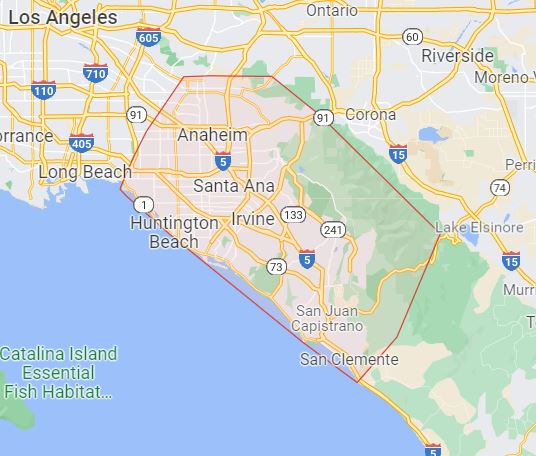
For trusted, culturally respectful Navajo rug restoration in Laguna Niguel, contact Persian Rug Pros. Their team specializes in rug repair, rug cleaning, and full rug restoration, with a dedication to honoring the craftsmanship behind every piece. Reach out today or call (949) 335-9788 to schedule a consultation. Give your Navajo rug the careful attention it deserves—because some art is meant to be preserved, not replaced.