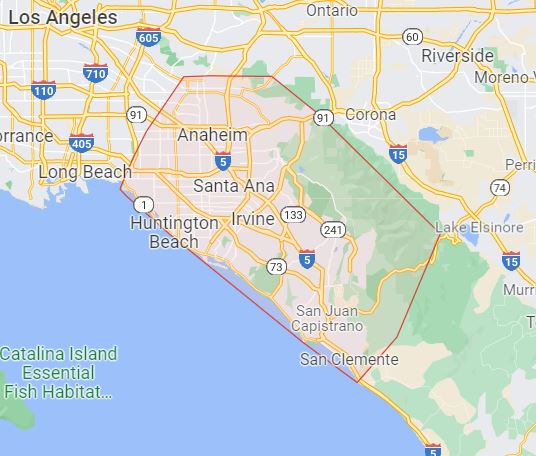

Navajo rugs are more than just decorative textiles—they are works of art that reflect generations of tradition, symbolism, and craftsmanship. Woven by hand using natural wool and often dyed with native plants, these rugs require sensitive handling when repairs or cleaning are needed. If you’re considering Navajo rug restoration in Buena Park, it’s important to ask the right questions before entrusting your piece to any service provider.
Whether you’ve inherited a vintage rug or own a recently woven piece, here are key questions to ask to ensure your rug is treated with the respect and expertise it deserves.
1. Do You Specialize in Navajo or Tribal Rug Restoration?
Not all rug experts are familiar with the unique construction of Navajo textiles. Unlike Persian or Oriental rugs, Navajo rugs are flat-woven with no pile, using distinct loom techniques and weft-facing patterns. This means restoration work requires a different skill set, one rooted in understanding tribal weaving structures.
Before committing, ask whether the professional has experience specifically with Navajo rug restoration in Buena Park, and if they can show examples of past work on tribal or flatwoven rugs.
2. What Materials Will Be Used for the Repair?
Authentic Navajo rugs are made with hand-spun wool and natural dyes, which means matching materials for repair is crucial. Using synthetic yarns or incorrect dyes can ruin the rug’s historical value and visual harmony.
Ask the restoration expert what type of wool or threads they’ll use. Will they match the color using traditional plant-based dyes? Will the texture be consistent with the existing fibers? A qualified provider of Navajo rug restoration in Buena Park should prioritize authenticity in every aspect of the work.
3. Will Repairs Be Reversible?
In the world of antique and culturally significant textiles, reversibility is a key principle. Any restoration work should be done in a way that can be undone in the future without damaging the original structure. This ensures that, should more advanced methods or conservation standards arise later, your rug can still benefit from them.
Ask if the restoration will preserve the integrity of the original weaving, and whether any introduced materials can be removed without harm.
4. How Do You Handle Color Fading or Dye Bleeding?
Navajo rugs, especially older pieces, often have areas where the dye has faded or become uneven. It’s important to ask how the expert plans to address these issues. Some rugs may require selective dye touch-ups, while others are best left in their natural aged condition.
Professionals who specialize in Navajo rug restoration in Buena Park will explain how they manage color changes while respecting the age and authenticity of your rug.
5. Do You Provide a Written Evaluation and Restoration Plan?
Before any needle is threaded, you should receive a full assessment of your rug’s condition, including areas of concern and a proposed restoration approach. A written plan not only protects you as the client but also serves as documentation for insurance or appraisal purposes.
Make sure the restorer offers this level of professionalism and transparency before beginning work.
Trust the Experts Who Respect the Weave
Navajo rugs are pieces of cultural heritage, and they deserve care that honors that history. Before committing to any restoration service, take time to ask the right questions and choose a specialist who approaches the work with skill, cultural awareness, and reverence.
📞 For trusted Navajo rug restoration in Buena Park, contact Persian Rug Pros at (949) 335-9788 or connect with us here to schedule an expert evaluation of your treasured textile.