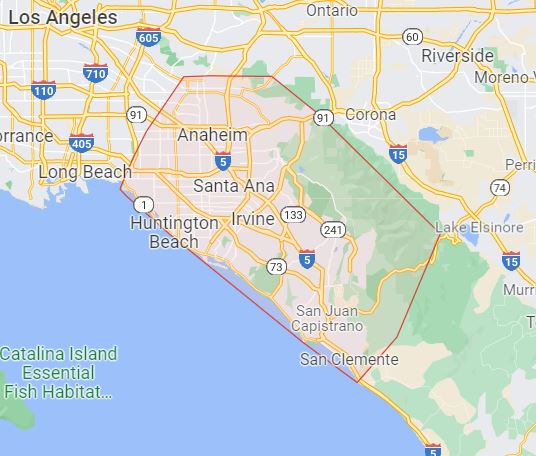

Turkish rugs hold a special place in the world of textile art. With their intricate motifs, high knot counts, and centuries-old weaving traditions, they are prized for both their beauty and durability. But when damage occurs—whether from age, foot traffic, or accidental spills—repairing it is no ordinary task. That’s why Turkish rug repair in Aliso Viejo requires a specialized approach, unlike any other type of rug restoration.
Whether you own a handwoven wool rug from Konya or a silk masterpiece from Hereke, here’s what sets Turkish rug repair apart—and why trusting a skilled expert makes all the difference.
Unique Weaving Structures Demand Precision
Turkish rugs are often made using a symmetrical double knot, also known as the Ghiordes knot. This technique creates a dense, balanced weave that’s distinct from Persian or Navajo rugs. Because of this structure, any restoration must perfectly replicate the knotting method to maintain the rug’s original look and feel.
Professionals offering Turkish rug repair in Aliso Viejo are trained to match the exact weave structure, knot density, and fiber direction, ensuring the repair blends seamlessly with the surrounding area. Inexperienced or generic rug repair methods often miss these details, resulting in visible patches or inconsistent texture.
The Importance of Natural Dyes and Color Matching
Another defining feature of Turkish rugs is their use of natural, plant-based dyes. From deep indigos and madder reds to vibrant saffron and olive tones, these colors are derived from traditional dyeing techniques passed down for generations. Over time, these natural dyes fade gracefully, creating a unique patina that must be honored during repair.
Unlike synthetic dyes, natural dyes age unpredictably. This makes color matching one of the most delicate tasks in Turkish rug repair in Aliso Viejo. A skilled repair specialist must understand both the chemical makeup and light sensitivity of the dyes to create new fibers that match not only the color, but the aged tone of the original rug.
Intricate Patterns Require Skilled Hands
Many Turkish rugs are known for their geometric, floral, or medallion-based patterns, which often carry symbolic meanings. Restoring a damaged section isn’t just about inserting new knots—it’s about replicating those patterns with absolute accuracy.
Even a small mistake in the repeat of a motif can disrupt the visual rhythm of the entire piece. This is why Turkish rug repair in Aliso Viejo involves more than just technical ability; it requires an artistic eye and cultural awareness to maintain the rug’s story and character.
Material Matters: Wool, Silk, and Cotton Foundations
Turkish rugs can be made of wool, silk, or a combination of both, with cotton foundations in many cases. Each material behaves differently during cleaning, tensioning, and reweaving. Wool is more forgiving, while silk requires an ultra-delicate touch and controlled humidity.
An expert in Turkish rug repair in Aliso Viejo understands how to treat each material properly, using hand-spun yarns and matching the pile height precisely to avoid unevenness or damage to surrounding fibers.
More Than Repair—It’s Preservation
Ultimately, repairing a Turkish rug is about more than fixing a tear or a worn spot. It’s about preserving a cultural artifact, maintaining its value, and allowing future generations to enjoy it. Quick fixes or DIY solutions can do irreversible damage, while proper repair can add decades to the rug’s lifespan.
Trust the Experts in Turkish Rug Repair
If your Turkish rug is starting to show signs of wear, don’t wait until the damage spreads. Entrust it to professionals who understand the craftsmanship and history behind every knot.
📞 Call Persian Rug Pros at (949) 335-9788 or schedule your service today to experience expert Turkish rug repair in Aliso Viejo with attention to detail, cultural respect, and long-lasting results.